
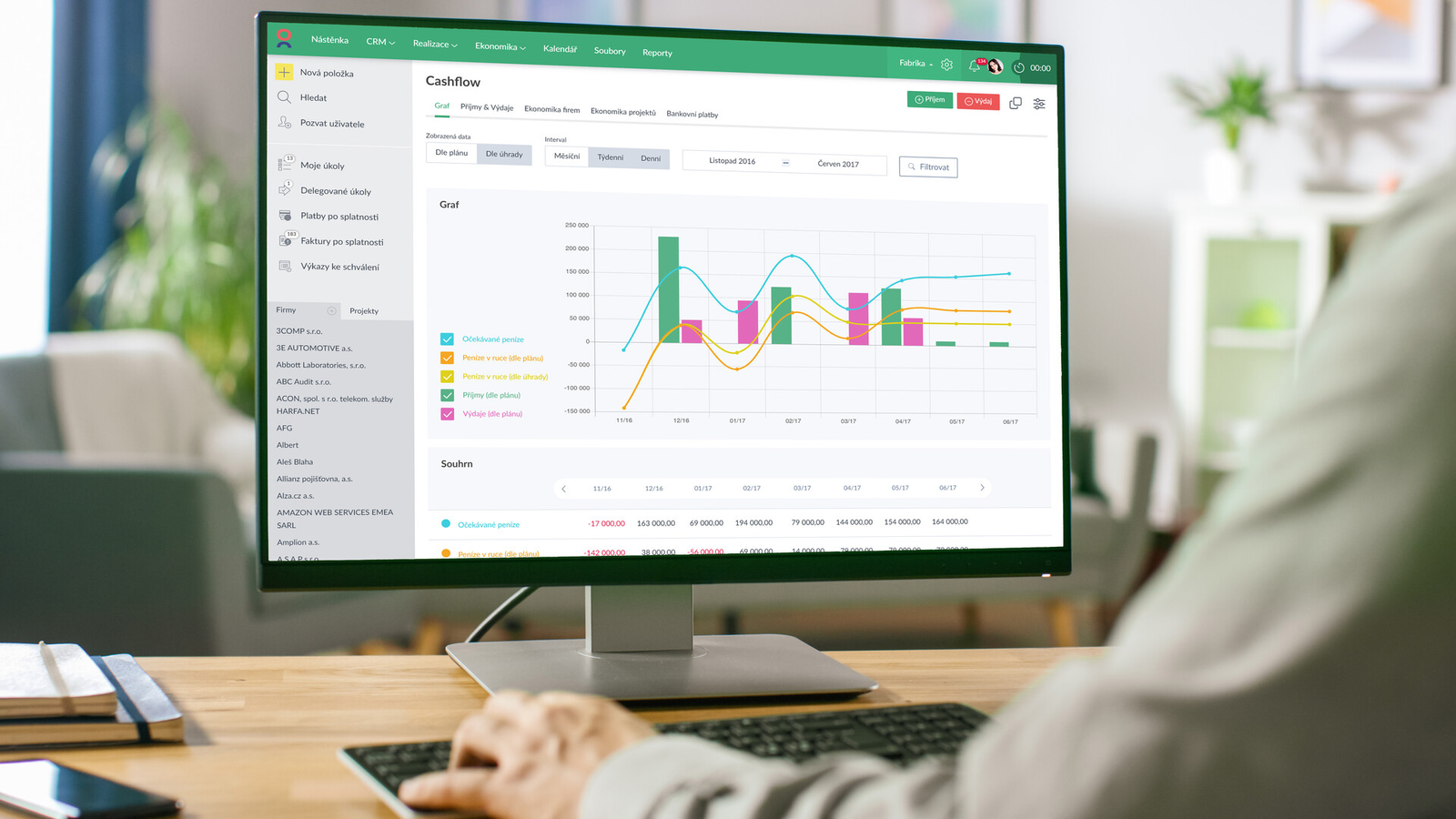
Managing cash flow is one of the most critical aspects of running a small business. Cash flow represents the money moving in and out of your business and is a key indicator of financial health. Without proper cash flow management, even profitable businesses can struggle to pay bills, meet payroll, or seize growth opportunities. Small business owners often focus on increasing revenue or cutting costs, but without careful cash flow management, these efforts may not be enough to keep the business sustainable. This article will guide small business owners on how to effectively manage cash flow and maintain financial stability.
Understanding Cash Flow
Before implementing strategies to manage cash flow, it is essential to understand what it entails. Cash flow is different from profit. Profit refers to the difference between revenue and expenses over a certain period, while cash flow focuses on the actual inflow and outflow of cash. A business can be profitable on paper but still experience cash shortages if payments from customers are delayed or expenses are high. Positive cash flow ensures that a business can pay its obligations on time, invest in growth opportunities, and survive unexpected challenges. Negative cash flow, on the other hand, can lead to debt accumulation, missed payments, or even business closure.
Key Components of Cash Flow Management
Managing cash flow involves several components, including monitoring, forecasting, and planning. First, it is crucial to track every financial transaction, both incoming and outgoing. This includes sales revenue, loan proceeds, accounts receivable, accounts payable, payroll, rent, utilities, and taxes. Accurate record-keeping provides a clear picture of cash availability and helps identify patterns in cash inflows and outflows.
Second, cash flow forecasting is an essential tool for anticipating future financial needs. By projecting cash inflows and outflows over weeks or months, business owners can plan ahead for periods of tight liquidity. Forecasting should consider seasonal fluctuations, customer payment behavior, and upcoming expenses. Tools like spreadsheets or accounting software can help create realistic cash flow projections, enabling proactive decision-making rather than reactive measures.
Strategies to Improve Cash Flow
Several strategies can help small business owners maintain a healthy cash flow. One of the most effective methods is to optimize accounts receivable. This involves ensuring that customers pay on time and possibly offering incentives for early payments. Clear invoicing, setting payment terms, and following up on overdue invoices can significantly reduce the time it takes to convert sales into cash.
Similarly, managing accounts payable strategically can improve cash flow. While it is important to pay suppliers on time to maintain good relationships, businesses can negotiate extended payment terms when possible. This allows the business to retain cash longer without damaging vendor relationships. Prioritizing payments based on urgency and impact on operations can also prevent unnecessary financial strain.
Controlling operating expenses is another critical factor. Small business owners should regularly review expenditures and identify areas where costs can be reduced or delayed without compromising quality or service. For example, switching to more cost-effective suppliers, reducing energy consumption, or outsourcing non-core functions can improve cash flow. However, cost-cutting should be strategic, ensuring it does not hinder the business’s ability to generate revenue.
Leveraging Financing Options
Sometimes, managing cash flow requires external financing. Small businesses can use short-term loans, lines of credit, or business credit cards to cover temporary cash shortages. It is essential to use these tools judiciously, understanding the terms, interest rates, and repayment schedules. Over-reliance on debt can create additional pressure on cash flow, so financing should complement internal cash management strategies rather than replace them.
Invoice financing or factoring is another option for businesses with slow-paying customers. This approach allows businesses to receive immediate cash based on outstanding invoices. While factoring comes with fees, it can provide necessary liquidity to meet urgent expenses or invest in growth opportunities.
Planning for Seasonal Fluctuations
Many small businesses experience seasonal variations in revenue. Retail businesses, for instance, may see high sales during holiday seasons but lower income during off-peak periods. Planning for these fluctuations is crucial to avoid cash shortages. Building a cash reserve during high-revenue periods ensures that the business can cover expenses during slower months. Budgeting for seasonal trends and adjusting staffing or inventory accordingly can also help maintain stable cash flow throughout the year.
Monitoring Cash Flow Metrics
To effectively manage cash flow, business owners should monitor key metrics regularly. The cash conversion cycle, which measures the time it takes for a business to convert inventory and receivables into cash, is a valuable indicator. Shortening this cycle can improve liquidity. Other metrics such as current ratio, quick ratio, and operating cash flow provide insights into the company’s ability to meet short-term obligations. Regular monitoring allows business owners to identify problems early and take corrective action before issues escalate.
Technology and Cash Flow Management
Modern technology can significantly simplify cash flow management. Accounting software and cash flow management tools automate transaction tracking, generate forecasts, and provide real-time insights into financial health. Many tools also allow integration with banking systems, invoices, and payment platforms, reducing manual work and minimizing errors. Using technology not only saves time but also enhances accuracy and enables proactive decision-making.
Communication and Relationship Management
Effective cash flow management is not solely a numbers game; it also involves communication with stakeholders. Maintaining transparent communication with suppliers, lenders, and customers can prevent misunderstandings and financial strain. Negotiating payment terms, discussing financial challenges, or exploring mutually beneficial solutions can help maintain trust and smooth operations. Strong relationships with stakeholders can provide flexibility during cash flow crunches, ensuring the business can navigate temporary challenges successfully.
Conclusion
Managing cash flow is a fundamental skill for small business owners, directly influencing the sustainability and growth of a business. It requires understanding the difference between profit and cash flow, tracking transactions, forecasting, controlling expenses, leveraging financing options, and monitoring key metrics. By implementing strategic measures and using available tools, small businesses can maintain positive cash flow, meet financial obligations, and seize opportunities for expansion. Ultimately, effective cash flow management transforms uncertainty into stability, allowing small business owners to focus on growth, innovation, and long-term success.
Read More
- Business Budgeting Tips for Sustainable Growth
- Smart Saving Tips for a Secure Future
- Benefits of Professional Financial Advisory Services
- Why Insurance Is Important for Financial Security
- How Businesses Can Stay Tax Compliant
- How to Manage Your Monthly Budget Effectively
- What Does a Financial Advisor Do?
- Beginner’s Guide to Smart Investing
- Basic Tax Planning Tips for Individuals
- Long-Term vs Short-Term Investment Strategies