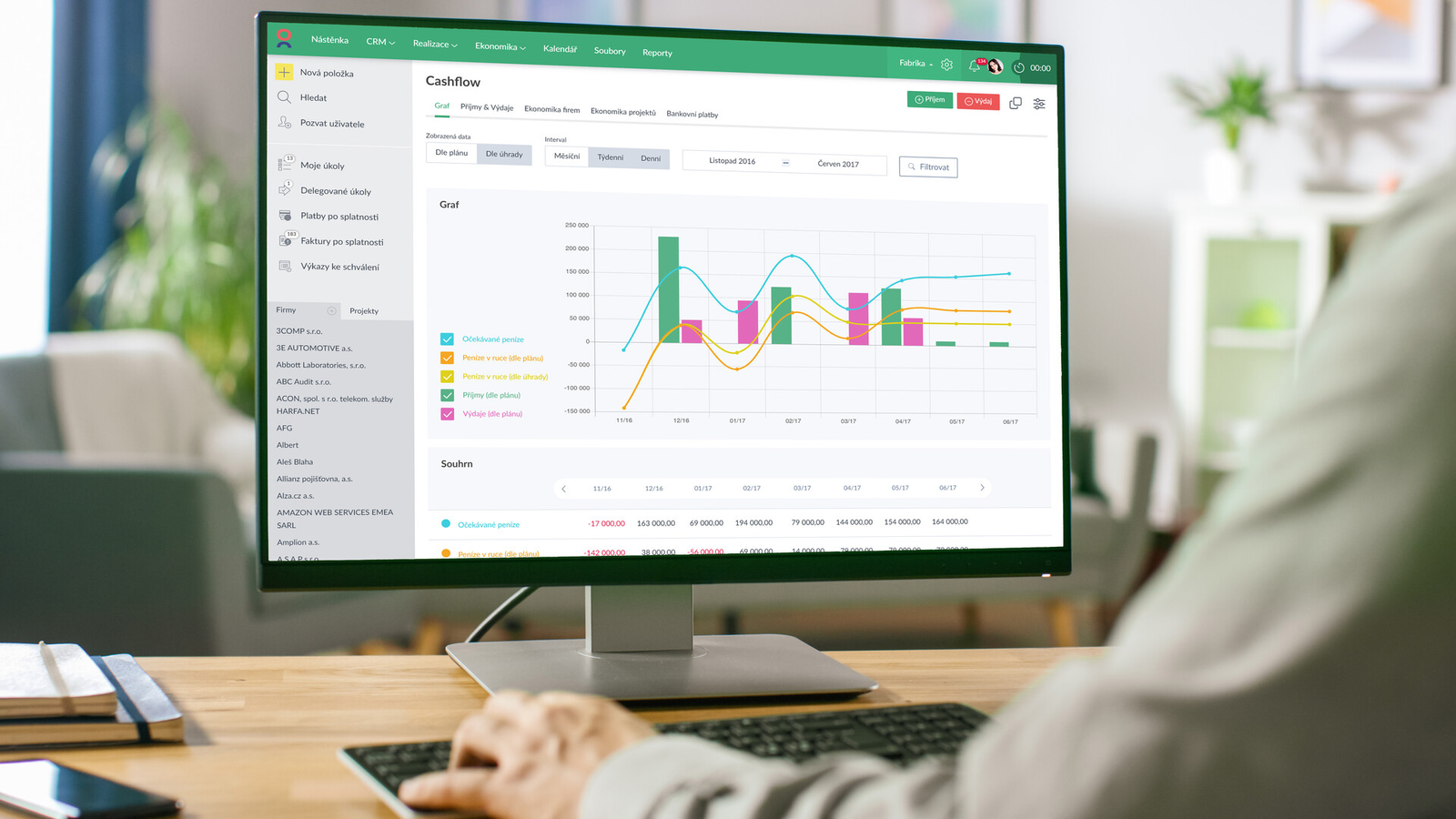
For small and medium-sized businesses, budgeting is not just a financial exercise—it is a strategic tool for achieving sustainable growth. A well-planned budget provides a roadmap for allocating resources, managing expenses, and making informed decisions that support both short-term operations and long-term goals. Businesses that neglect budgeting often face cash shortages, missed opportunities, and unplanned debt, which can hinder growth and stability. Understanding how to create, implement, and optimize a budget is essential for any business aiming for sustainable success. Understanding the Importance of Business Budgeting Business budgeting is more than just tracking income and expenses. It is a comprehensive…

-
-
Saving money is one of the most important habits for building a secure and stress-free future. While earning money is essential, knowing how to save it wisely determines long-term financial stability. Smart saving is not about sacrificing everything you enjoy today; it is about making thoughtful decisions that protect you from uncertainty and help you achieve your future goals. By developing strong saving habits and using practical strategies, anyone can create a solid financial foundation. Understand the Importance of Saving Saving provides financial security and independence. Life is unpredictable, and unexpected expenses such as medical emergencies, job loss, or urgent…
-
In today’s increasingly complex financial landscape, managing personal and business finances has become more challenging than ever. With a myriad of investment options, tax regulations, retirement plans, and risk management strategies, making informed decisions requires knowledge, experience, and careful planning. This is where professional financial advisory services play a crucial role. By providing expert guidance, personalized strategies, and objective advice, financial advisors help individuals and businesses achieve their financial goals while mitigating risks. Understanding the benefits of professional financial advisory services can help people make smarter, more secure financial choices. Expertise and Knowledge One of the most significant advantages of…
-
Financial security is a goal that most individuals strive for throughout their lives. It involves having enough resources to meet current needs, withstand unexpected financial shocks, and achieve long-term goals such as education, retirement, and homeownership. One of the most critical tools for achieving financial security is insurance. While some people view insurance as an optional expense, it plays a vital role in protecting individuals and families from unforeseen events that could otherwise cause severe financial hardship. Understanding the Concept of Insurance Insurance is a financial product designed to provide protection against specific risks. In exchange for regular payments known…
-
Tax compliance is a critical aspect of running a successful business. Staying compliant with tax laws not only ensures that a company avoids penalties, fines, or legal issues, but it also builds credibility with stakeholders, including investors, customers, and regulatory authorities. With constantly changing tax regulations and varying requirements across jurisdictions, businesses must adopt structured strategies to maintain compliance. Understanding the fundamentals of tax obligations, recordkeeping, reporting, and strategic planning is essential for smooth operations and sustainable growth. Understanding Business Tax Obligations The first step in tax compliance is understanding the types of taxes applicable to a business. Depending on…
-
Managing your monthly budget effectively is one of the most important financial skills you can develop. A well-planned budget helps you control your spending, save for future goals, reduce financial stress, and build long-term stability. While budgeting may sound restrictive or complicated, it is actually a practical tool that gives you freedom and confidence over your money. With the right approach, anyone can create and maintain a budget that fits their lifestyle and financial goals. Understand Your Income Clearly The first step in managing your monthly budget is knowing exactly how much money you earn. This includes your main salary…
-
In today’s complex financial world, managing personal and business finances can be challenging. Investments, taxes, retirement planning, insurance, and estate considerations all demand careful attention and expertise. Many individuals and businesses turn to financial advisors for guidance, but the role of a financial advisor is often misunderstood. A financial advisor does far more than simply suggest investment options; they provide comprehensive financial planning and strategic guidance tailored to a client’s unique goals, risk tolerance, and circumstances. Understanding the scope of their responsibilities can help individuals make informed decisions about engaging professional advice. Understanding the Role of a Financial Advisor A…
-
Investing can be one of the most powerful ways to grow wealth over time, but for beginners, it can feel overwhelming. The world of stocks, bonds, mutual funds, and real estate is filled with complex terminology, risks, and strategies. However, smart investing doesn’t have to be complicated. By understanding the basics, setting clear goals, and developing disciplined habits, anyone can start building a portfolio that grows steadily and safely over time. This guide provides a comprehensive introduction to smart investing for beginners. Understanding the Basics of Investing At its core, investing is the act of putting your money into financial…
-
Tax planning is an essential aspect of personal financial management that can help individuals maximize savings, minimize liabilities, and achieve financial goals efficiently. While many people associate taxes with an annual headache, proactive tax planning throughout the year can make a significant difference in overall financial health. By understanding the fundamentals of tax rules, exemptions, deductions, and strategic investments, individuals can reduce their taxable income and retain more of their hard-earned money. Start Early with Tax Planning One of the most critical principles of tax planning is starting early. Waiting until the end of the financial year to consider taxes…
-
Managing cash flow is one of the most critical aspects of running a small business. Cash flow represents the money moving in and out of your business and is a key indicator of financial health. Without proper cash flow management, even profitable businesses can struggle to pay bills, meet payroll, or seize growth opportunities. Small business owners often focus on increasing revenue or cutting costs, but without careful cash flow management, these efforts may not be enough to keep the business sustainable. This article will guide small business owners on how to effectively manage cash flow and maintain financial stability.…