
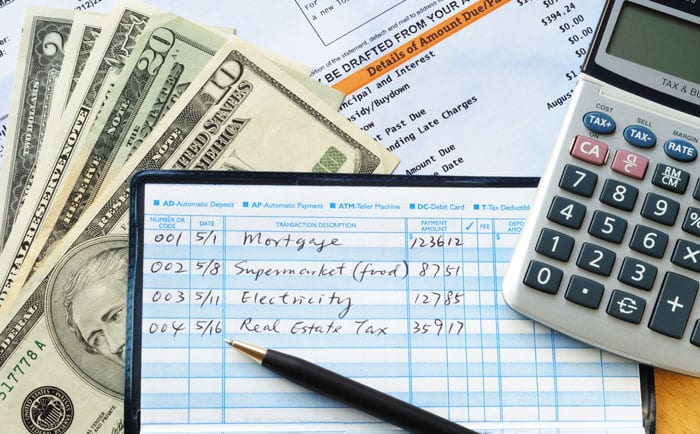
Managing your monthly budget effectively is one of the most important financial skills you can develop. A well-planned budget helps you control your spending, save for future goals, reduce financial stress, and build long-term stability. While budgeting may sound restrictive or complicated, it is actually a practical tool that gives you freedom and confidence over your money. With the right approach, anyone can create and maintain a budget that fits their lifestyle and financial goals.
Understand Your Income Clearly
The first step in managing your monthly budget is knowing exactly how much money you earn. This includes your main salary as well as any additional income such as freelance work, side businesses, bonuses, or rental income. Always calculate your income after taxes, because that is the amount you can actually spend or save. If your income changes from month to month, use an average based on the last few months to get a realistic number. Understanding your income gives you a strong foundation for building an accurate budget.
Track All Your Expenses
Many people struggle with budgeting because they underestimate how much they spend. To avoid this, track every expense for at least one month. This includes fixed expenses like rent, utilities, insurance, and loan payments, as well as variable expenses such as groceries, transportation, entertainment, and dining out. Small daily purchases, like coffee or snacks, may seem unimportant but can add up quickly. Tracking expenses helps you see where your money is actually going and highlights areas where you may be overspending.
Categorize Your Spending
Once you have a list of your expenses, organize them into categories. Common categories include housing, food, transportation, utilities, healthcare, personal expenses, entertainment, savings, and debt repayment. Categorizing makes your budget easier to understand and manage. It also helps you identify which categories take up the largest portion of your income. When you see the breakdown clearly, you can make better decisions about where to cut back or adjust your spending.
Set Realistic Financial Goals
Budgeting is more effective when you have clear goals. These goals can be short-term, such as saving for a vacation or paying off a credit card, or long-term, such as buying a home or building a retirement fund. Be specific about your goals and assign a timeline to each one. For example, instead of saying “I want to save money,” decide how much you want to save each month and why. Goals give your budget a purpose and motivate you to stick to it.
Create a Balanced Budget Plan
After understanding your income, expenses, and goals, it is time to create your budget plan. A popular method is the 50/30/20 rule, where 50 percent of your income goes to needs, 30 percent to wants, and 20 percent to savings and debt repayment. However, this rule can be adjusted based on your situation. The key is to ensure that your expenses do not exceed your income and that saving is treated as a priority, not an afterthought. Always pay yourself first by setting aside savings before spending on non-essential items.
Control Unnecessary Spending
One of the biggest challenges in budgeting is controlling unnecessary expenses. This does not mean you must eliminate all fun or enjoyment from your life. Instead, focus on spending mindfully. Ask yourself whether a purchase is truly necessary or if it aligns with your goals. Look for ways to reduce costs, such as cooking at home more often, canceling unused subscriptions, shopping with a list, and comparing prices before buying. Small changes can make a big difference over time.
Build an Emergency Fund
An emergency fund is an essential part of any effective budget. Unexpected expenses such as medical bills, car repairs, or job loss can disrupt your finances if you are not prepared. Aim to save at least three to six months’ worth of living expenses in a separate, easily accessible account. Start small if needed and contribute consistently. Having an emergency fund provides peace of mind and prevents you from relying on credit cards or loans during difficult times.
Use Budgeting Tools and Apps
Managing your budget becomes easier when you use the right tools. Budgeting apps, spreadsheets, or even a simple notebook can help you track income and expenses efficiently. Many apps automatically categorize transactions and provide insights into your spending habits. Choose a tool that matches your comfort level and stick with it. The most effective budgeting system is the one you use consistently.
Review and Adjust Your Budget Regularly
Your budget is not something you create once and forget. Life changes, and so do your financial needs. Review your budget at the end of each month to see what worked and what did not. If you overspent in certain categories, adjust your plan for the next month. If your income increases or expenses decrease, update your budget accordingly. Regular reviews help you stay on track and make your budget more realistic and effective.
Stay Consistent and Patient
Managing a monthly budget effectively requires discipline and patience. You may not see immediate results, but consistency is key. Avoid giving up if you make mistakes or exceed your budget occasionally. Learn from those experiences and keep moving forward. Over time, budgeting becomes a habit, and managing your money feels more natural and less stressful.
Conclusion
Effective monthly budget management is about awareness, planning, and consistency. By understanding your income, tracking expenses, setting goals, and reviewing your progress regularly, you can take control of your finances and build a secure future. Budgeting is not about restriction but about making intentional choices that support your values and goals. With dedication and the right strategy, anyone can master the art of budgeting and enjoy greater financial stability and peace of mind.
Read More
- Business Budgeting Tips for Sustainable Growth
- Smart Saving Tips for a Secure Future
- Benefits of Professional Financial Advisory Services
- Why Insurance Is Important for Financial Security
- How Businesses Can Stay Tax Compliant
- What Does a Financial Advisor Do?
- Beginner’s Guide to Smart Investing
- Basic Tax Planning Tips for Individuals
- How to Manage Cash Flow in Small Businesses
- Long-Term vs Short-Term Investment Strategies